TNA’s Smart Factory in Qinhuangdao spans 27,000 m², with an annual output of 50 million units. It is a nationally recognized “Little Giant” enterprise and a certified green factory, accredited under three major management systems and holding LPCB and UKCA international certifications.
Powered by ARM9 processors, real-time Linux systems, and 5G-enabled remote connectivity, every product that leaves here stands the test of time and rigorous scrutiny
Injection Molding
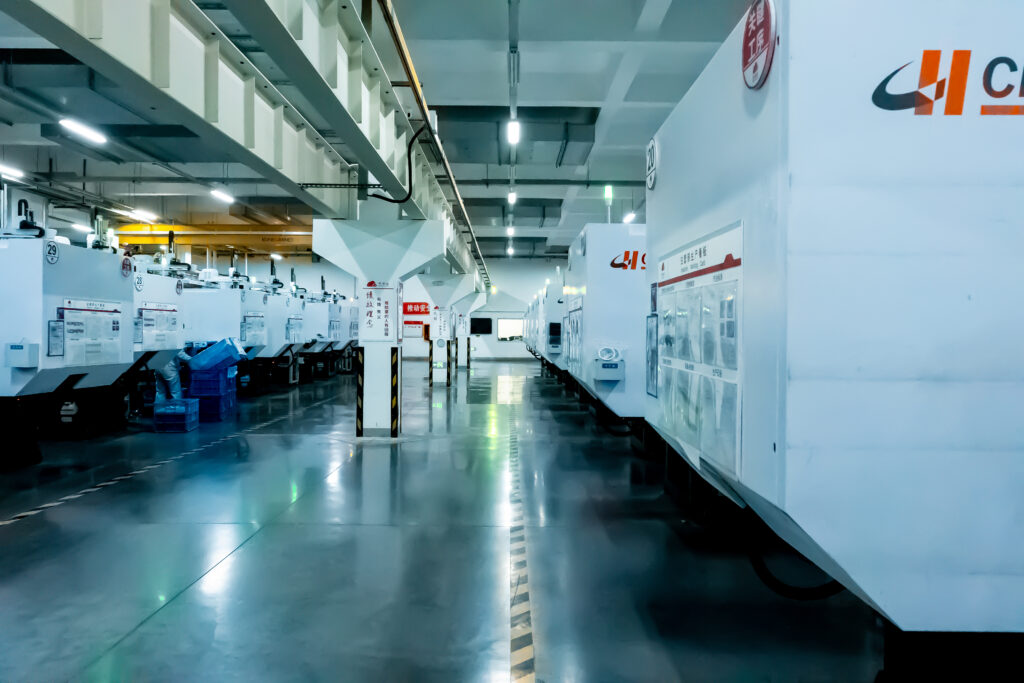
The facility operates 41 Chen Hsong injection molding machines, covering five clamping force specifications: 120T, 160T, 260T, 320T, and 800T. By using top-tier equipment, consistent product quality is ensured.
Plastic pellets are melted and injected into molds under controlled conditions. As molds open and close, robotic arms retrieve each component with precision. From raw pellets to finished housings, the entire process is completed within a single injection molding cycle.
Surface Mount Technology (SMT)
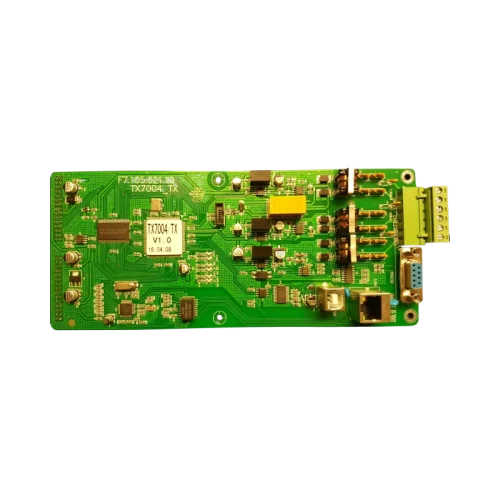
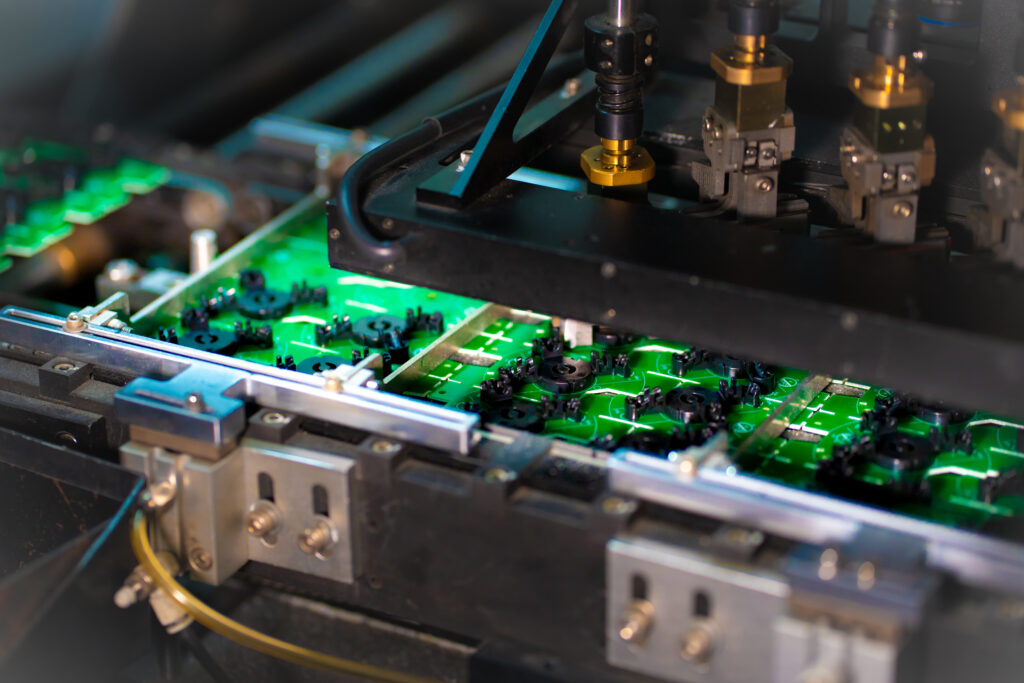
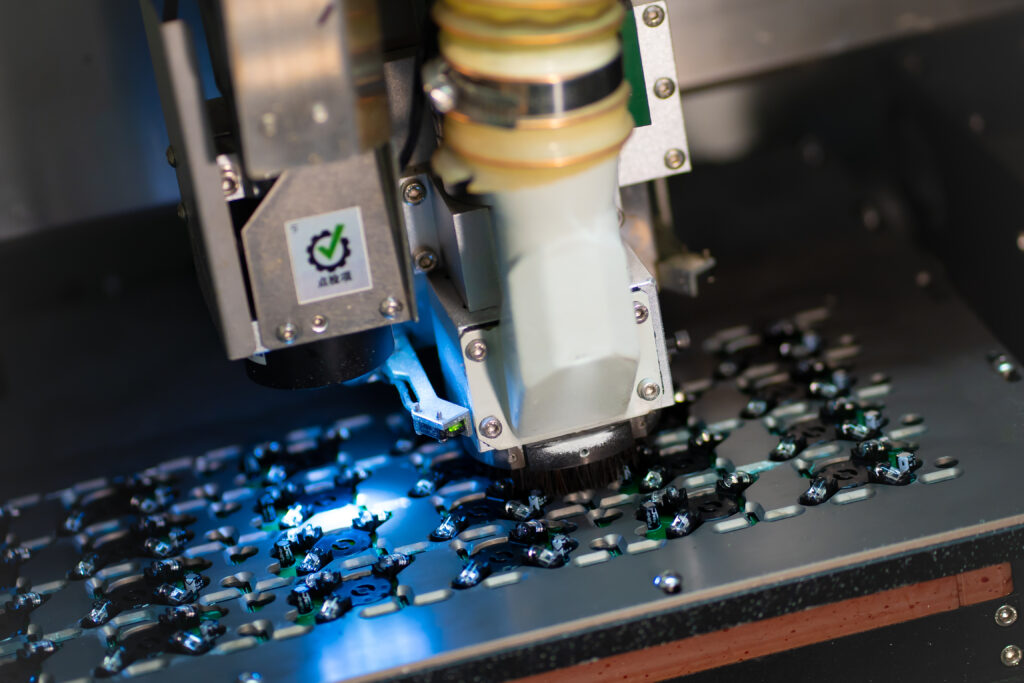
Seven SMT lines operate with high precision and stability. From solder paste printing and 3D SPI inspection to high-speed placement of micro-components, each board passes through reflow soldering and then undergoes AOI scanning, where every solder joint is inspected with micron-level accuracy.
Every PCBA undergoes 100% optical inspection, ensuring consistent quality. Micron-level precision is where millimeter-level safety begins.
Magnetic Levitation Production Line
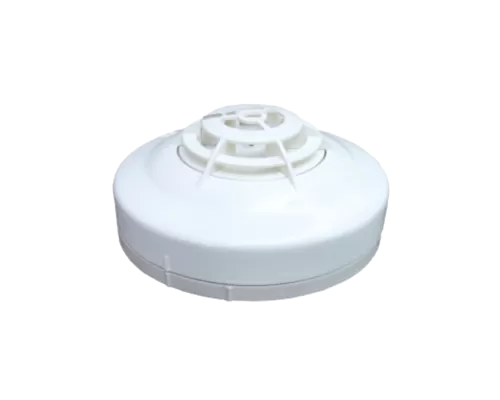
China’s first fire detector production line to adopt magnetic levitation technology
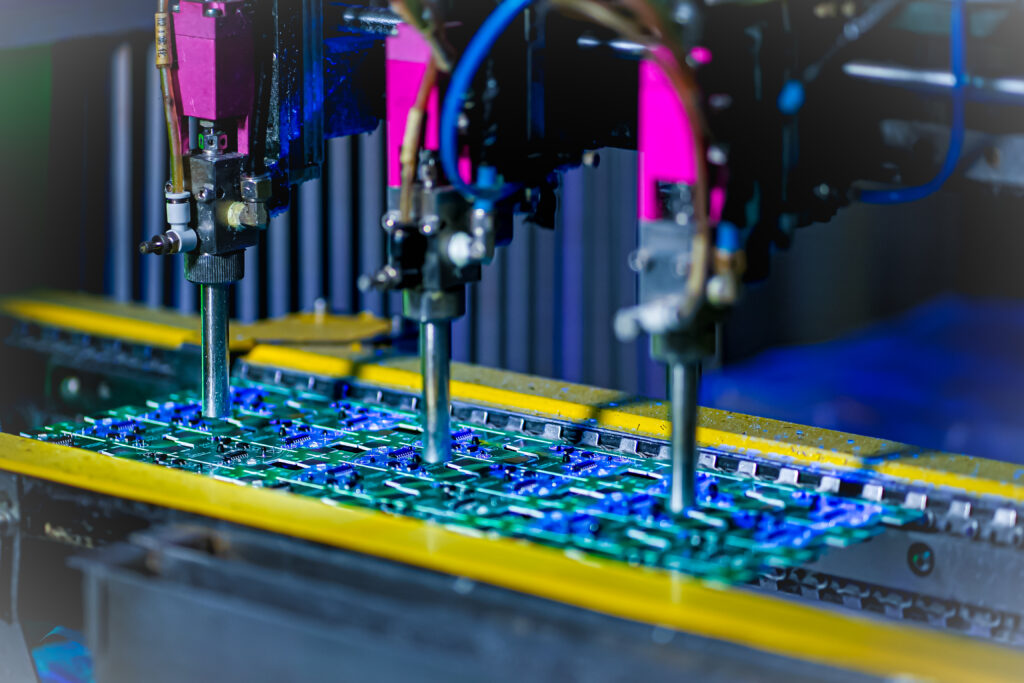
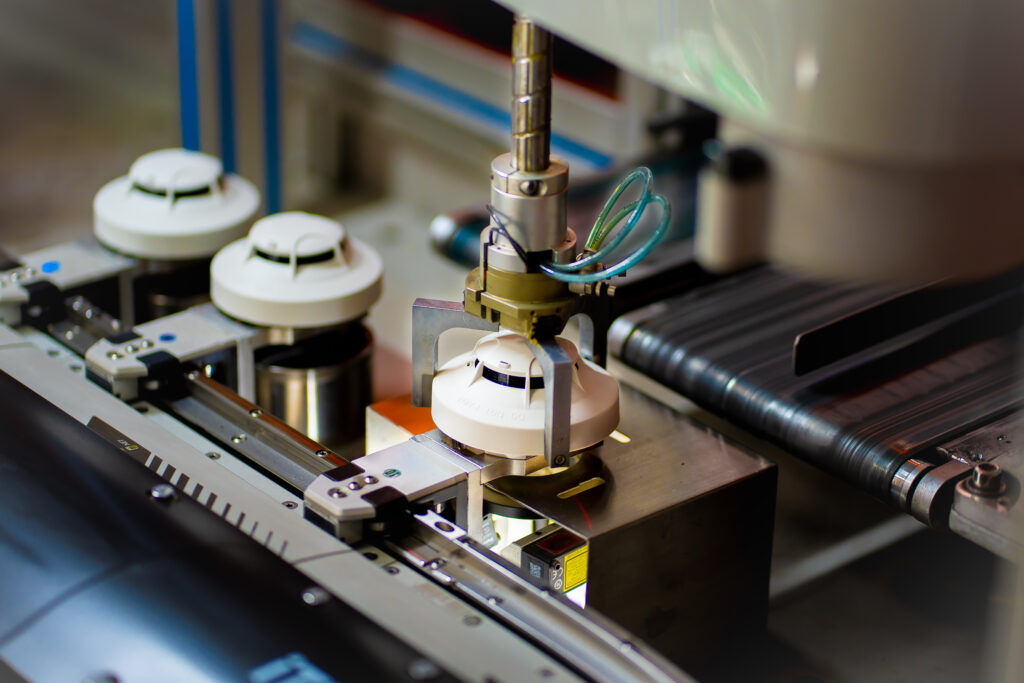
Four custom-built insertion machines operate at 2,000 cycles per hour, performing precise bending and insertion of through-hole components. After wave soldering, a UV coating system applies a conformal coating layer, providing protection against moisture, mold, and salt spray. A dual-spindle milling cutter rotates at high speed to produce smooth, low-stress edges on the panels.
Subsequently, magnetic levitation pallets carry the semi-finished products, gliding along the track without contact and eliminating the vibration and friction associated with traditional conveying systems.
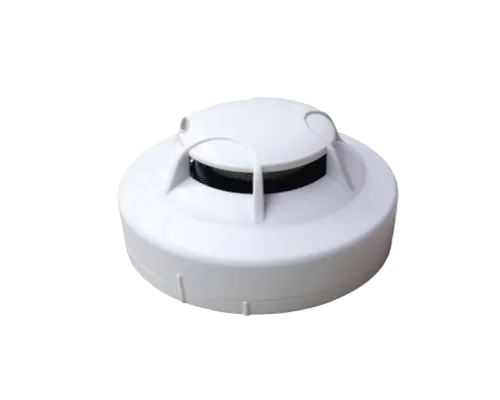
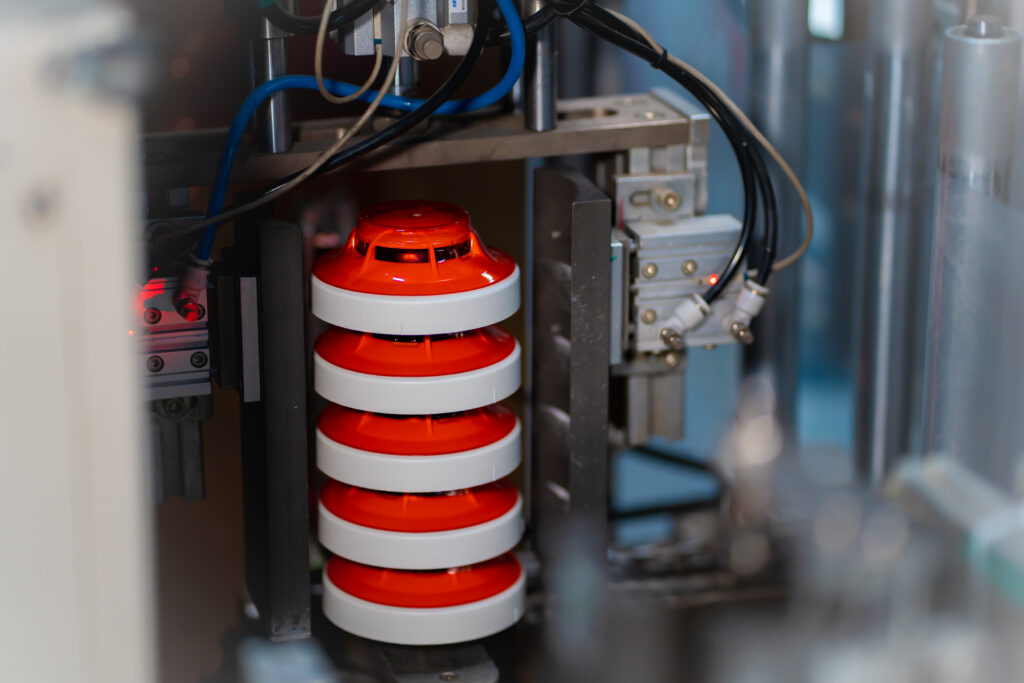
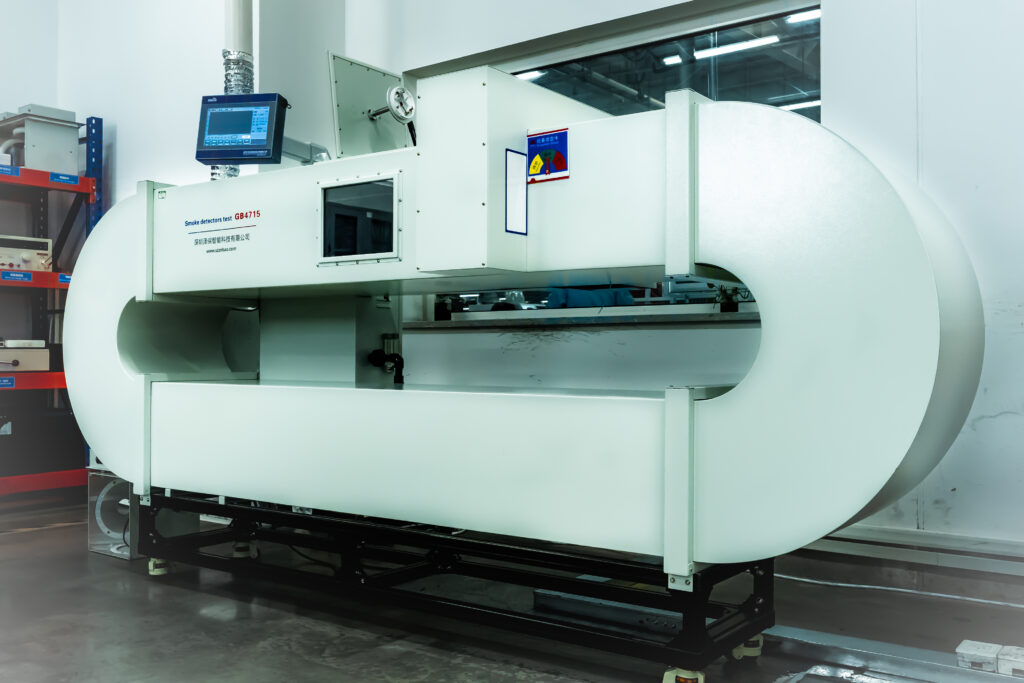
Automated assembly, electrical calibration, and laser marking are performed in sequence. Inside the automated aerosol detection chamber, an optical densitometer calibrates smoke concentration, ensuring an environmentally friendly and highly accurate measurement process
The final packaging uses PE heat-shrink film, forming a tight protective layer over the product. The entire production line operates at a rate of 2,000 units per hour, achieving an Overall Equipment Effectiveness (OEE) of 85%, exceeding the industry average by 10 percentage points and reaching world-class standards.
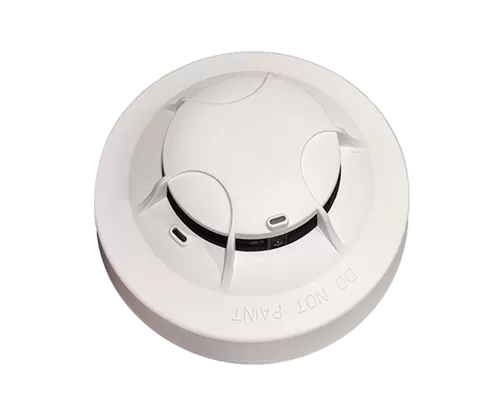
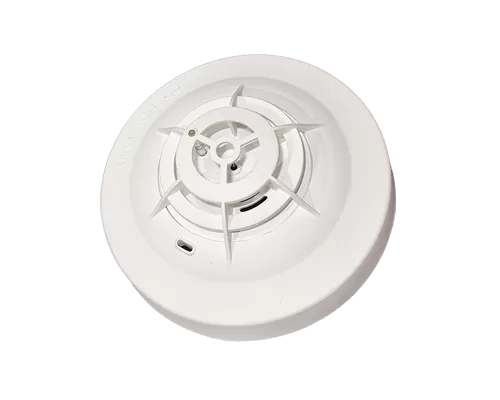
Millions of fire detectors are manufactured here every year.
Control Panel Assembly
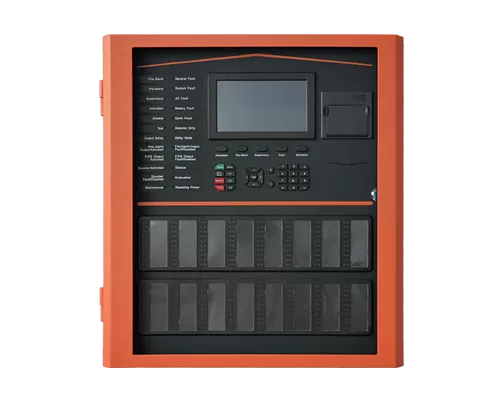
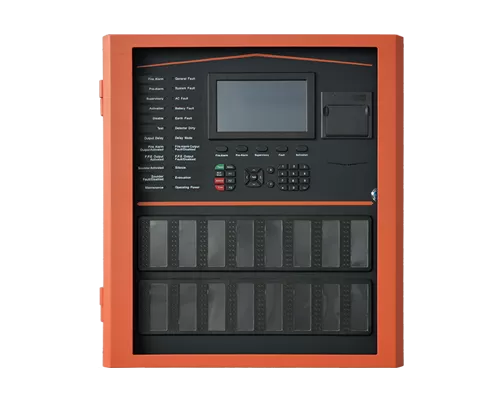
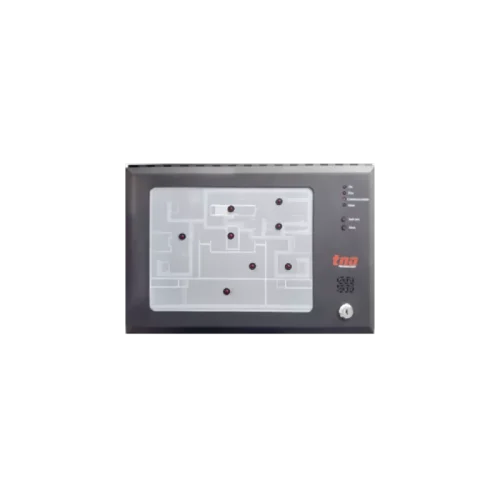
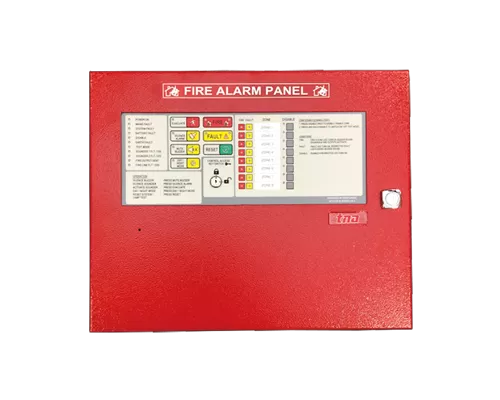
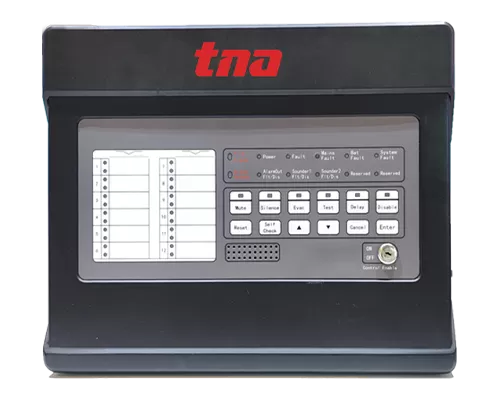
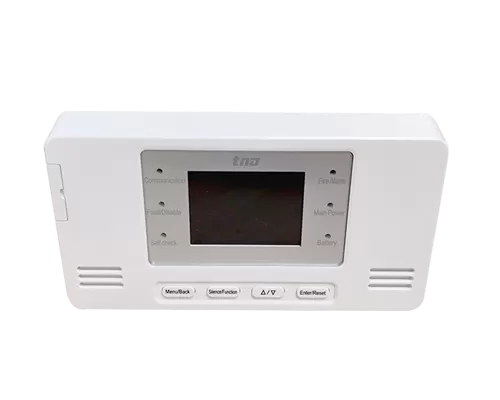
Wall-mounted main units. Three independent production lines operating at high speed. Electrical fire monitoring, power supply monitoring, and fire alarm systems run across three models, all switchable on the same day without rewiring, enabling flexible configuration. Daily production capacity: 600 units.
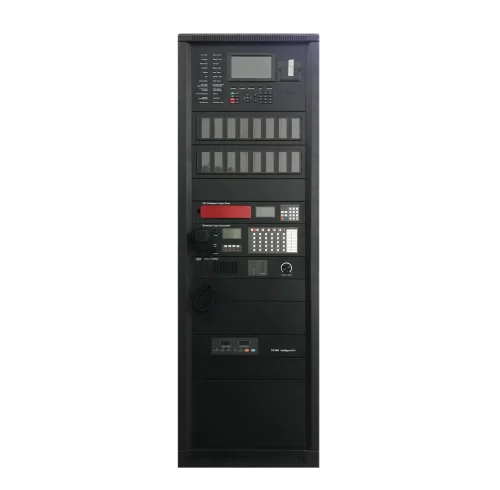
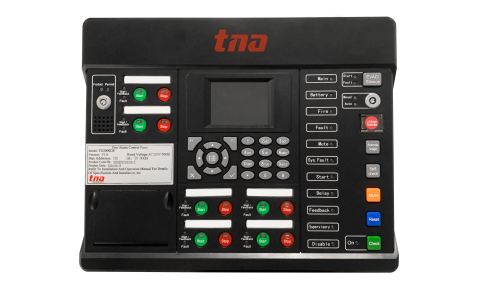
Both cabinet-style and console-style units are assembled on an assembly line. Material preparation begins immediately after order entry. The entire process from assembly and inspection to burn-in testing, warehousing, and shipment is completed within 48 hours. Daily production capacity: 200 units.
Each unit must undergo 100% functional testing, followed by a twelve-hour power-on burn-in process, during which LED indicators flash in a matrix within temperature-controlled equipment. Time is the most rigorous test of quality
Quality Testing
The Quality Laboratory is divided into two groups.
Environmental Testing Group: Six thermal chambers simulate extreme conditions, from -40°C frost to +70°C heat, including high-temperature and high-humidity cycling tests.
Integrated Testing Group: Smoke and thermal combined test chambers verify smoke response performance. EMC equipment is used for electrostatic discharge and surge testing to validate electromagnetic compatibility. Withstand voltage and leakage current tests ensure insulation safety boundaries. Sampling inspections are conducted for verification.
Every batch of products must prove its full compliance and integrity.
Conclusion
From a single plastic pellet to a detector, and from a bare PCB to a coordinated control unit, every stage of production is precisely controlled.
From workshops in Qinhuangdao to factory warehouses, transportation hubs, high-rise buildings, and safety checkpoints in public facilities, TNA Manufacturing supports critical fire safety infrastructure.
With the contactless efficiency of magnetic levitation, it carries the immense responsibility of fire safety. Precision, traceability, and accountability define every product.